 +971 52 306 0942
 +971 52 306 0942
 info@companysetup.ae

Blog
How to Start an Import and Export Business in Dubai
 By admin
Updated October 21, 2026
6 min read
In this article ⌄
- Start Your Import & Export Business in Dubai
- Why Start an Import Export Business in UAE?
- Types of Import Export Business Activities in UAE
- 9-Step Import Export Business Setup Process in Dubai
- First: Choose Between Mainland and Free Zone
- Second: Select the Legal Structure
- Next: Reserve a Trade Name
- Then: Apply for the Import Export License
- Next: Obtain Initial Approval
- Then: Secure Office or Warehouse Space
- Next: Register With UAE Customs
- Then: Complete VAT Registration if Required
- Finally: Open a Corporate Bank Account
- Documents Required for How to Start Import Export Business in UAE
- Cost to start import export business in UAE
- What import and export business is best in the UAE?
- Mainland vs Free Zone: Which Is Better?
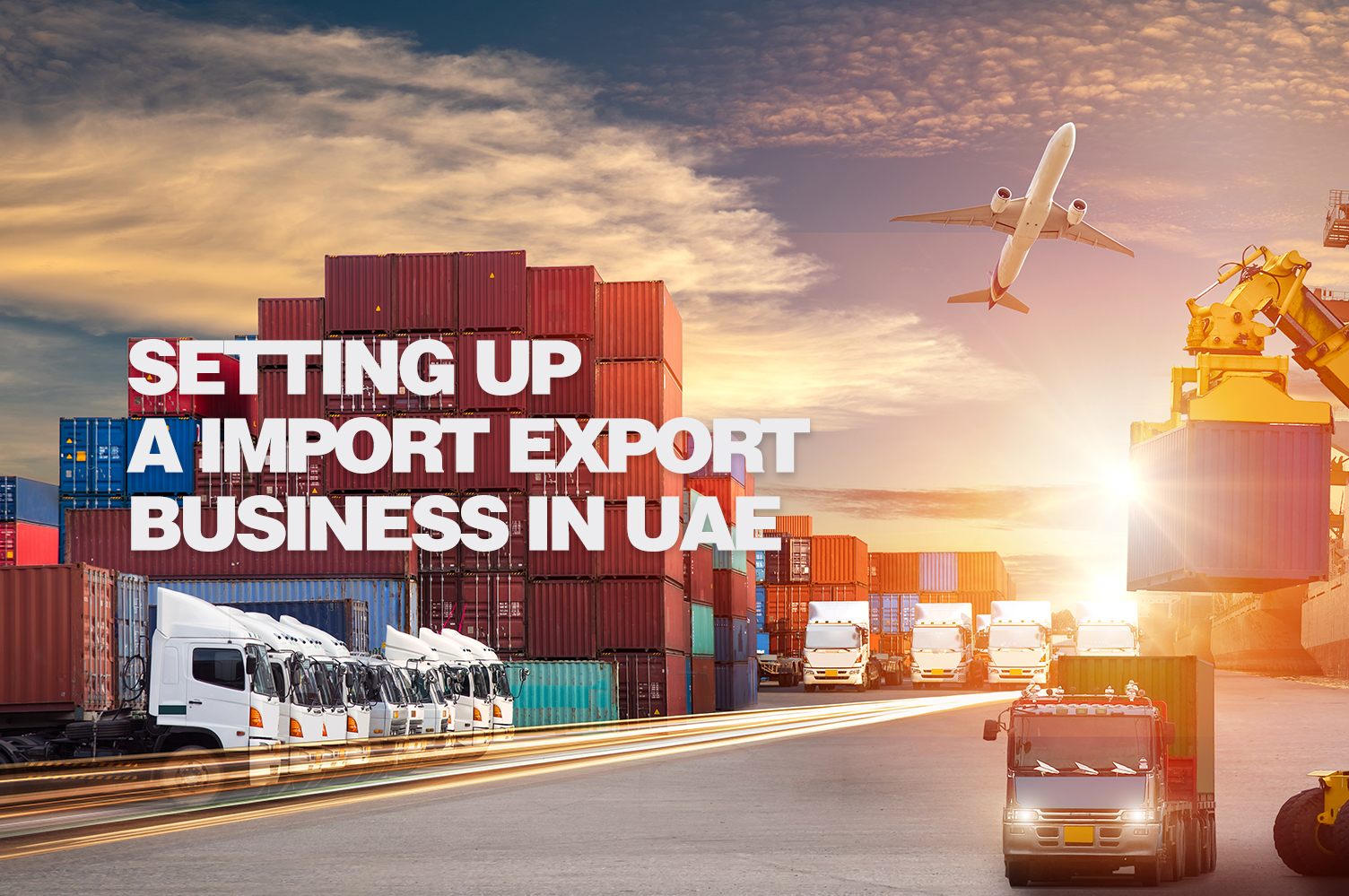
If you are exploring how to start import export business in UAE, you are entering one of the most profitable and globally connected markets. The UAE connects Asia, Europe, and Africa, which makes it a natural gateway for international trade. Moreover, the country offers strong infrastructure, simplified regulations, and tax advantages that attract global entrepreneurs.
Because of these advantages, thousands of businesses choose the UAE every year to launch trading operations. Therefore, understanding the complete process helps you avoid delays, reduce costs, and scale faster.
Start Your Import & Export Business in Dubai
Why Start an Import Export Business in UAE?
The UAE continues to dominate global trade routes. Above all, its business-friendly ecosystem supports growth at every stage.
Key Advantages
- First, the UAE sits at a strategic global crossroads.
- Moreover, the country offers zero personal income tax.
- Furthermore, Free Zones allow 100% foreign ownership.
- In addition, modern ports and airports support fast cargo movement.
- Also, businesses gain easy access to GCC and international markets.
As a result, entrepreneurs reduce operational barriers and expand faster compared to many other regions.
Types of Import Export Business Activities in UAE
Before you apply for a license, you must clearly define your business activity. This decision directly affects approvals, costs, and compliance.
Common Trading Activities
- General trading for multiple product categories
- Import and export of specific goods
- Wholesale trading
- Re-export operations
- Online trading businesses
However, certain goods require special approvals. For example, food items, medical products, chemicals, and cosmetics involve additional regulatory checks. Therefore, you should confirm product eligibility before moving forward.
9-Step Import Export Business Setup Process in Dubai
First: Choose Between Mainland and Free Zone
Your target market determines this decision.
Mainland Company
- Trades directly within the UAE market
- Operates under the Department of Economy
- Works best for local distribution
Free Zone Company
- Offers 100% foreign ownership
- Focuses on international trade
- Reduces customs duty within the zone
Popular Free Zones include IFZA, DMCC, JAFZA, Dubai Airport Free Zone, and SHAMS. Compared to Mainland setups, Free Zones offer faster incorporation and flexible office options.
Second: Select the Legal Structure
Next, choose a legal structure that fits your business size and ownership goals.
Common options include:
- Sole Establishment
- Limited Liability Company (LLC)
- Free Zone Establishment (FZE)
- Free Zone Company (FZCO)
In the same way, each structure impacts liability, visa eligibility, and banking access. Therefore, professional guidance helps you avoid costly changes later.
Next: Reserve a Trade Name
Your trade name must align with your business activity. Moreover, it must follow UAE naming rules.
To clarify, the name should:
- Reflect your trading activity
- Avoid restricted or offensive terms
- Match legal and branding standards
Once approved, the trade name secures your identity across government records.
Then: Apply for the Import Export License
Now you apply for the appropriate license.
You can choose:
- Commercial License for specific goods
- General Trading License for multiple products
Mainland businesses apply through the Department of Economy. On the other hand, Free Zone companies apply through the respective authority.
Because of clear documentation, this step often completes within a few working days.
Next: Obtain Initial Approval
Initial approval confirms your business intent. Most importantly, it validates ownership structure and activity selection.
At this stage, authorities review:
- Business activity
- Shareholder details
- Legal compliance
Consequently, this approval allows you to proceed with leasing and final registration.
Then: Secure Office or Warehouse Space
Office requirements depend on your chosen jurisdiction.
- Mainland businesses need a registered office with Ejari
- Free Zones offer flexi desks, offices, or warehouses
For instance, many startups begin with flexi desks and scale later. Therefore, this approach reduces upfront costs.
Next: Register With UAE Customs
Customs registration remains mandatory for all trading businesses.
After registration, you receive:
- Importer Code
- Exporter Registration Number
As a result, you gain legal clearance to move goods across borders.
Then: Complete VAT Registration if Required
VAT registration becomes mandatory when annual turnover exceeds AED 375,000.
However, voluntary registration also benefits many businesses. For example, VAT-registered companies reclaim input tax and improve credibility with suppliers.
Finally: Open a Corporate Bank Account
Once authorities issue the trade license, you can open a UAE corporate bank account.
Banks usually request:
- Trade license
- Shareholder passport copies
- Business plan
- Office lease agreement
Because banking rules vary, professional support often speeds up approvals.
Also Read: how to start a travel agency in dubai
Documents Required for How to Start Import Export Business in UAE
To summarize, you need:
- Passport copies of shareholders
- Visa and Emirates ID (if available)
- Business plan
- Trade name certificate
- Office lease agreement
- Customs registration documents
Keeping documents ready avoids unnecessary delays.
Cost to start import export business in UAE
| Expense | Estimated Cost (AED) |
|---|---|
| Trade License | 12,000 – 35,000 |
| Free Zone Package | 15,000 – 50,000 |
| Office or Warehouse | 10,000 – 80,000 |
| Customs Registration | 1,000 – 2,000 |
| Visa (per person) | 3,500 – 6,000 |
What import and export business is best in the UAE?
The UAE supports diverse trading categories.
Popular products include:
- Electronics and accessories
- Food and beverages
- Textiles and garments
- Building materials
- Auto spare parts
- Cosmetics and perfumes
Notably, re-export businesses perform exceptionally well due to the UAE’s logistics strength.
Mainland vs Free Zone: Which Is Better?
Free Zones suit international traders who do not need direct UAE market access. Whereas Mainland setups suit businesses that target local customers.
In contrast, Free Zones offer faster setup and tax efficiency. Ultimately, the right choice depends on your target audience and growth plan.
Conclusion
In conclusion, starting an import export business in UAE offers unmatched scalability, global reach, and financial efficiency. Most importantly, the UAE’s pro-business policies remove traditional barriers to international trade.
To sum up, with the right license, customs registration, and banking support, entrepreneurs can build a strong trading foundation. Therefore, expert guidance ensures faster approvals, cost control, and long-term compliance.
Ready to Start Your Import Export Business in UAE?
Let our specialists handle licensing, customs registration, visas, and bank accounts—so you focus on growth.
To Speak with our Experienced Business Consultants for further information and assistance, call us at +971-582-595-164. Send a WhatsApp Message for Chat Query on +971 582595164 or email us at info@companysetup.ae.
About the Author:
Company Setup Consultants is a team of experienced Dubai business setup specialists with over a decade of expertise in company formation, trade licensing, visa services, PRO support, and corporate compliance across the UAE. Since 2013, we have assisted thousands of entrepreneurs, start-ups, and global investors in establishing and growing their businesses. Every article is carefully reviewed by our experts to ensure it reflects the latest UAE regulations, licensing requirements, and industry best practices.











2 thoughts on “How to Start an Import and Export Business in Dubai”